Human Nutrition
Browse the Human Nutrition Research Library >
For nearly 100 years, America’s farmers and ranchers have supported nutrition research to advance the understanding of beef’s role in a balanced and healthful diet. Farmers and ranchers are committed to providing a wholesome, nutritious food to Americans and building the evidence supporting beef’s role in health and wellbeing. Beef Checkoff-funded human nutrition research is the foundation for all industry nutrition education and communication initiatives.
Statement of Principles Regarding Nutrition and Health
The beef industry’s principles guiding actions and communications about beef in regard to nutrition and health.
?keep=c&u=nvwl20 "Classic New York Strip and Potatoes")
CURRENT RESEARCH PROJECTS
The Human Nutrition Research Program currently has projects, funded by the Beef Checkoff, that focus on human clinical trials investigating healthy diets, across the lifespan, where beef is the primary source of dietary protein, and focuses on the impact of cardiometabolic health, strength, and performance. Additionally, research explores beef’s role in a healthy, sustainable diet. Literature reviews on hot topics related to beef nutrition are also included.
VIEW >

PUBLICATION SUMMARIES
Summaries of Human Nutrition Research publications in peer-reviewed journals from projects funded by the Beef Checkoff. Communication of nutrition research results is foundational to a better understanding of the role of beef and its nutrients in a healthy diet.
VIEW >

Latest Publication Summary
Effects of Diets Containing Beef Compared with Poultry on Pancreatic β-Cell Function and Other Cardiometabolic Health Indicators in Males and Females with Prediabetes: A Randomized, Crossover Trial
Featured Resources:
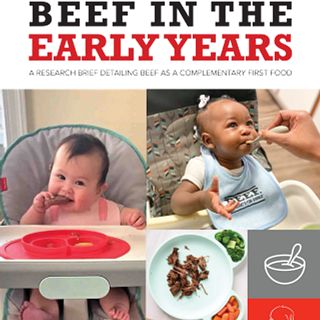
BEEF IN THE EARLY YEARS
The American Academy of Pediatrics, the U.S. Department of Agriculture, and the World Health Organization recommend the introduction of complementary foods to infants by 6 months of age. At that age, the infant’s needs for several nutrients, including iron, zinc, and calcium, can no longer be met with breast milk alone. To learn more, download this research brief detailing beef as a complementary first food.
Learn More >

BEEF AND BEEF'S NUTRIENTS DURING ADOLESCENCE
Beef is a flavorful, versatile and popular food providing ten essential nutrients. In fact, beef's unique nutrient package contains high-quality protein and bioavailable essential nutrients making it well-suited to meet increased nutrient needs of adolescents during this stage of rapid growth and development.
Learn More >

ADDRESSING THE ADOLESCENT NATIONAL PUBLIC HEALTH CONCERN
Adolescence is a unique life stage that is an important time in establishing an individual's lifelong relationship with food, physical activity, and body image. Including beef in a healthy dietary pattern can increase nutrient adequacy in the adolescent population. To learn more, access this research brief on the role of beef in closing nutrient gaps during this important stage of growth.
Learn More >
Beef Nutrient Data Links:
Nutrient Analysis of Raw and Cooked USDA Prime Beef Cuts
Nutrient Analysis of Raw United States Beef Offal Items
Are there nutritional differences between grass-finished and grain-finished beef?
USDA National Nutrient Database for Standard Reference
Ground Beef Nutrient Calculator
Fresh Meat and Poultry Product Labeler
Use this tool to access the correct nutrient data, based on USDA’s Nutrient Database, needed to create labels, posters and point-of-sale materials for all fresh beef, veal, pork, lamb, and chicken sold at retail.
BEEF CHECKOFF COMMENTS SUBMITTED TO THE DIETARY GUIDELINES ADVISORY COMMITTEE
National Cattlemen’s Beef Association (NCBA), a contractor to the Beef Checkoff, has submitted 16 sets of public comments and hundreds of research studies to the Dietary Guidelines Advisory Committee. The comments, listed below, review the science on a variety of topics ranging from beef’s role in health at every life stage, its relationship to heart health, and best scientific practices in evaluating beef-related research, including accurate classification of meat and beef.